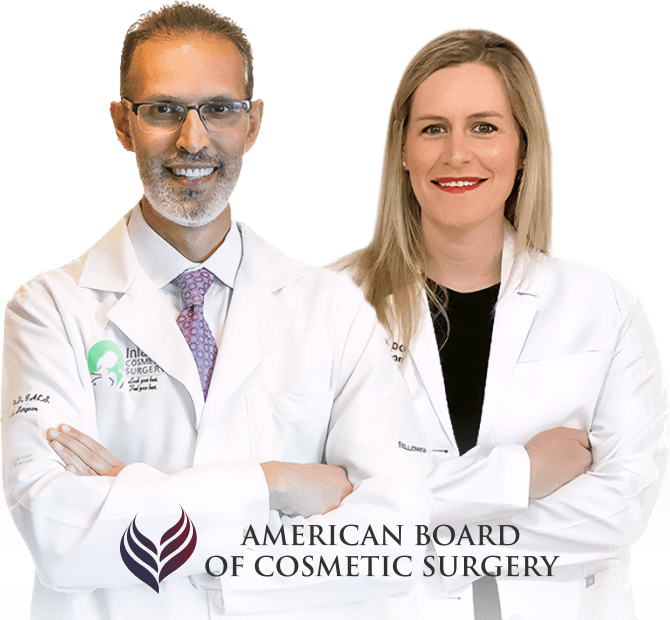
Inland Cosmetic Surgery announces that cosmetic surgeon Dr. Jacob Haiavy has contributed three studies to a peer-reviewed medical journal and two chapters to a medical textbook over the past two years, addressing critical challenges in patient safety and surgical outcomes. The research publications span multiple areas, including opioid reduction strategies, artificial intelligence applications in medicine, wound healing innovations, and advanced surgical techniques.
The most significant study, titled “The Utility of preoperative Acetaminophen in reducing postoperative pain and narcotic use in patients undergoing cosmetic breast augmentations during a national opiate crisis,” addresses the ongoing opioid crisis by demonstrating how preoperative acetaminophen administration can substantially reduce narcotic requirements in breast augmentation patients. This finding offers a practical solution for surgeons nationwide seeking to minimize opioid exposure while maintaining effective pain management for their patients.
Beyond the opioid reduction research, the publications explore diverse aspects of modern cosmetic surgery practice. The studies include investigations into artificial intelligence applications for patient education and innovative wound healing protocols that enhance patient outcomes. Additionally, the surgeon has authored two chapters in a recently published Springer medical textbook, contributing to the education of future surgeons.
“These research contributions reflect our commitment to advancing the field of cosmetic surgery through evidence-based practices,” stated Dr. Haiavy, who is a diplomate of the American Board of Cosmetic Surgery and former president of both the American Board of Cosmetic Surgery and the California Academy of Cosmetic Surgery. “The opioid reduction study particularly demonstrates how simple interventions can have profound impacts on patient safety and public health.”
The breadth of research topics underscores a comprehensive approach to improving patient care. The artificial intelligence study explores how emerging technologies can assist patients in preoperative education regarding facelifts, while the wound healing case study provides a new pathway for further research into handling a difficult complication after thigh lifts and achieving minimal scarring long-term. These contributions benefit not only patients at the Rancho Cucamonga facility but also contribute to ongoing research and conversations around best practices for cosmetic surgeons across the country.
The timing of the opioid reduction research proves particularly relevant as healthcare providers nationwide seek alternatives to traditional pain management approaches. By demonstrating measurable reductions in narcotic requirements through preoperative interventions, the study provides actionable strategies that other surgical practices can implement immediately, as well as avenues for further research.
The research publications appear in the peer-reviewed journal The American Journal of Cosmetic Surgery, which undergoes rigorous scientific evaluation so that the findings meet the highest standards of medical research. Dr. Haiavy’s textbooks chapters, which were titled “Breast Augmentation: Inframammary Approach” and “Capsular Contracture: Etiology and Treatment Options,” appear in Manual of Cosmetic Medicine and Surgery. The level of scrutiny and rigor behind these publications supports the clinical significance of the work and its potential impact on surgical practice standards.
Inland Cosmetic Surgery has served the Southern California region for over three decades, with its surgical team having performed more than 30,000 procedures. The practice specializes in various cosmetic surgery procedures including breast augmentation, body contouring, and facial rejuvenation. The facility maintains accreditation from the Joint Commission and houses a fellowship program that trains two surgeons annually in advanced cosmetic surgery techniques.
You may be surprised to learn there’s a way to enhance your breasts without visible scars: Transumbilical Breast Augmentation, or TUBA.
Dr. Jacob Haiavy is one of the few cosmetic surgeons in the country who performs this highly specialized technique. Here’s what makes TUBA unique—and the top reasons more women are asking for it by name.
What is TUBA?
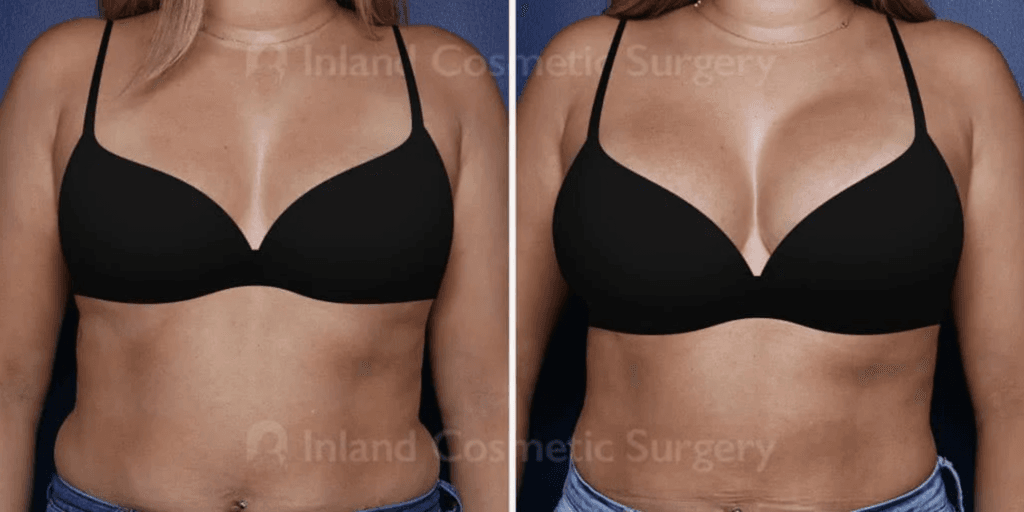
TUBA is a scar-minimizing breast augmentation technique where implants are inserted into the breast pocket through a tiny incision inside the belly button. Dr. Haiavy uses a specialized endoscope to create a path under the skin to place and then fill saline implants under the chest muscle or breast tissue—all without leaving visible scars on the breasts. Keep reading to learn how TUBA is performed with silicone implants (TUSBA)!
Because it’s a technically advanced procedure, only a handful of surgeons in the U.S. offer it—and Rancho Cucamonga cosmetic surgeon Dr. Haiavy is proud to have performed hundreds of successful TUBA surgeries.
1. No visible breast scars
The biggest appeal of TUBA is right in the name: the incision is made in the belly button, meaning there are no scars on or near the breasts. Traditional breast augmentation techniques place breast implants through incisions made in the natural breast crease (inframammary fold), around the areola, or in the armpit. A skilled cosmetic surgeon knows how to place these incisions so the resulting scars are minimized, but avoiding the scars altogether is impossible.
TUBA is an especially attractive option for patients who are prone to noticeable scarring or simply want the most discreet enhancement possible.
TUBA delivers breast augmentation with zero tell-tale incisions for results that look completely natural.
2. Faster recovery time
TUBA generally has a shorter and more comfortable recovery period than traditional breast augmentation approaches. Because the surgical path of the TUBA technique avoids cutting through breast tissue directly, there’s often less bruising and swelling. This allows patients to return to daily activities faster and with less discomfort.
Most TUBA patients can resume light activity within a few days, with a typical recovery window of about a week. Standard breast augmentation recovery takes about 10-14 days or longer.
3. Lower risk of infection
With fewer incisions near the breasts themselves and no need to open the chest directly, there’s a reduced chance of bacteria entering the surgical site. This can help lower the risk of post-operative complications like infection.
Every surgery carries risks, but TUBA’s minimally invasive approach may offer peace of mind to patients who prioritize safety as much as results.
4. Implants can be placed under the muscle
Some may assume TUBA’s specialized approach limits how the procedure can be personalized, but Dr. Haiavy can place saline implants either over or under the chest muscle using this method to suit either preference. Many patients choose under the muscle placement (sub-muscular) for a more natural look and feel, especially when they have thinner natural breast tissue.
Sub-muscular placement can also help reduce the risk of visible rippling and may allow for more accurate mammogram readings post-surgery.

“After spending months trying to find a place for breast augmentation one of my good friends recommended Dr. Haiavy at Inland Cosmetic. My experience there was absolutely amazing from the friendly staff to amazing surgeons. I am currently 3 weeks post op from the transumbilical breast augmentation and I love my results! I was extremely impressed with my experience here and have already recommended them to several friends. I am so glad I did not go anywhere else & will definitely come back if I want anything else done!”
5. Ideal for saline implants & easy future adjustments
With TUBA, saline implants are inserted through the belly button as empty shells and filled once they’re in place. This allows for precise volume adjustments during surgery to achieve ideal size and symmetry, and in some cases, saline implants can even be adjusted or removed through the same belly button incision in the future.
This advantage makes TUBA an appealing choice for women who value flexibility or who may want to change or remove their implants later on without additional breast incisions.
TUSBA breast augmentation with silicone breast implants
After over 20 years of experience with TUBA using saline-filled implants, Dr. Haiavy now offers “TUSBA,” or transumbilical silicone breast augmentation, a technique for placing silicone breast implants through the belly button. Dr. Haiavy is only the third surgeon worldwide to successfully perform this procedure, and he offers it exclusively at Inland Cosmetic Surgery.
TUSBA with silicone implants offer both a scar-free appearance and a softer, more natural breast feel. Patients often choose silicone implants because they are lightweight and more closely mimic natural breast tissue, moving with your body in a way that feels very natural.
Dr. Haiavy developed a special technique that uses two funnels for easy insertion of the silicone implant into the tunnel and the breast without any touch. The description of his specific technique and results were published in the Annals of Plastic Surgery.
- Learn more about your breast implant options »
Is TUBA right for you?
While TUBA offers compelling benefits, it’s not ideal for everyone. It’s not compatible with certain anatomy types (like tubular breasts) or aesthetic goals may be better suited to other breast augmentation techniques (such as a breast lift with augmentation to firm and reshape the breasts). It’s important to consult with an experienced cosmetic surgeon like Dr. Haiavy, who can help you understand all of your options.
Curious about scarless breast augmentation? Let’s talk.If you’re considering breast augmentation and love the idea of natural-looking results with no visible breast scars, TUBA may be a great option for you. Renowned TUBA/TUSBA surgeon Dr. Jacob Haiavy is one of the most experienced TUBA surgeons in the nation and has helped hundreds of women enhance their curves with this advanced technique.
Call Inland Cosmetic Surgery at 909-987-0899 or contact us online to schedule your consultation. We have offices located in Rancho Cucamonga and Victorville for your convenience.
This holiday season, you’ll want to look and feel your best as you capture memories that will be with you for years to come. Selfies are already beautiful in their simplicity and ease, but there are a few secrets to making sure you snap a stunning one every time. Here are our top tips for avoiding double chins, squinty eyes, and stiff smiles—and feeling like a supermodel (or famous Instagrammer) instead!
1. Lighting is key
Fantastic lighting can make a world of difference in photos, turning you into a glowing goddess and highlighting all your best angles and features. But you don’t need a professional lighting setup to nail that perfect selfie every time.
Consider the following tips for the best lighting for selfies:
- Use your flash wisely and sparingly. Whenever possible, opt for natural lighting to give you a softer appearance. In low-light conditions where you need to use flash, try using an app like SnapChat that utilizes a front-facing flash. This will allow you play around with other settings to nail the right lighting, and the front-flash is typically duller than the rear camera.
- Speaking of washing yourself out, avoid taking selfies under fluorescent lighting. Fluorescents tend to emphasize skin imperfections, make you look older, and give your appearance a pale, tired, or even sickly look. That’s because fluorescent light has a low color rendering index, so it doesn’t pick up on true colors.
- Consider purchasing a selfie light. These products range in price and size—and chances are your favorite YouTuber or beauty Instagrammer is using them. Fans of ring lights or clip-on selfie lights proclaim that they can help hide blemishes and beautifully light the face for a subtle glow. For parties, look for an option that fits in your favorite clutch purse and can be quickly attached to your cell phone when inspiration strikes.
- If the sun is out during a holiday parade or afternoon gathering, make sure it’s behind you—and block it with your head for a nice halo effect rather than being eclipsed by it. If the sun is directly shining on your face, it will wash out your skin and you may find yourself squinting, which will impact your facial expression and highlight any fine lines and wrinkles.
2. Think about what’s in the background
When arriving at an event, scope out the scene and see if there is some choice decor that will be the perfect background for you and your besties (or a new crush) to snap a selfie together.
- Simple backgrounds are often best, but don’t be afraid of some sparkle. If there happens to be tinsel, garlands, strings of lights, a foil door curtain, or a Christmas tree in the house, they can make for a great selfie background. A colorful wall or pretty drapes can also be a perfect way to set off your face. Avoid backgrounds such as cabinets or bookshelves—they’ll distract from the focus of the photo, which should be you!
- Wait for the crowds to clear. If you have a spot for a photo in mind, keep an eye out for when the area clears. You don’t need random arms or someone’s hors d’oeuvres plate photobombing your selfie. Another option is to arrive fairly early and snap a few pics with your host or hostess before things are really hopping.
- Beware of reflective surfaces. If it’s after sundown and you’re using a flash, avoid having mirrors or a dark window behind you—it’s a bummer to have a reflected flash take over your photo. Even when you’re not using a flash, it’s wise to be thoughtful when photographing near reflective surfaces; they have been the cause of many selfie fails.
3. Keep it natural
Selfies tend to look best when they look natural. Even if your makeup screams glam, a natural, genuine smile will light up the picture—but capturing your candid facial expressions can be challenging. Even the most confident can feel a bit uncomfortable in front of the camera.
Here are a few ways to keep your pics looking natural and professional without having to do much:
- Just to reiterate, try to take advantage of natural sunlight when possible. Early morning as the sun is coming up or twilight in the evening are great photo op times because the lighting is softer.
- Avoid contrived “MySpace selfie” angles and opt instead for a natural head tilt that flatters the contours of your face.
- The urge to make a big cheesy grin or even pull a face can be tough to overcome, but try to keep your expressions genuine. To help you avoid “overacting” in your selfie, try keeping your eyes shut until you snap your picture. This will keep your expression fresh.
4. Practice makes perfect
If you could glimpse the camera roll of any beauty blogger, Instagrammer, or selfie guru, we’re sure you would see tons of “duds” amongst that shining, perfect snap. It’s rare to get your best selfie with just one attempt, but be patient—and try these tricks.
- Practice your angles. Tilt your heading a variety of ways to see what happens to the contours of your neck and face. Additionally, lifting your head and chin a bit can elongate the neck and help you avoid a double chin. Snap a few pictures to see what translates well through the camera and when you find an angle or pose that works for you, rock it!
- Experiment with different lighting to see what light levels, shadow play, or tones make you feel most confident in your pictures.
- Play around with makeup styles, different shades of highlighters, or new contouring techniques to see what helps your best features pop.
5. Camera settings can make all the difference
Technology has come a long way, and the camera on your smartphone is more sophisticated than you may realize—it just may take some trial and error to unlock its power. Try these suggestions as you get started:
- Download a camera app. Both iTunes and the Google Play store are full of apps dedicated to helping you perfect your phone camera skills. Instagram and SnapChat are fun options for playing around with filters and doing light editing, while apps like Candy Camera, FaceTune, and Manual Camera can help you take better photos and then edit to your heart’s content.
- If you prefer to play around without the help of an app, your phone should have some built-in, manual camera settings that will help you perfect your shot. You can customize brightness, adjust focus, and some phones even have the ability to adjust exposure.
6. Bonus tip: get a little help with quick cosmetic solutions
There are many tricks to taking a good photograph of yourself—and we happen to think you and your selfies are pretty gorgeous. However, if you have always been bothered by something about your appearance, we’re here to help. A number of the following selfie helpers are fast acting and have zero recovery time, so you can be smiling with greater confidence in a matter of days.
- Bothered by a “gummy” smile? We can use a small amount of BOTOX® to relax the upper lip elevator muscles and thus reduce the amount of your gums that show when you smile.
- Worried about fine lines and wrinkles? Try BOTOX, fillers, or laser skin resurfacing to soften signs of aging.
- Noticing sun damage or hyperpigmentation? Try an ICON Laser Skin Resurfacing Treatment, an Excel V+ Laser Treatment, or a chemical peel to rejuvenate your skin and enjoy a soft glow.
- Wishing your lips were as full as your favorite blogger? Try putting some plump in your pout with lip fillers.
- Want to revitalize dull skin tone and texture? Skip the blur filter and opt for a professional facial to give your skin some TLC.
This is just a small selection of the many treatments and skincare options we have to highlight your beauty and help you feel confident, no matter who is taking your picture. Contact us today, and we’ll help you glow in your selfies all holiday season long.
Achieving a youthful, refreshed look without sacrificing authenticity is the ultimate goal of a deep plane facelift. Rancho Cucamonga cosmetic surgeon Dr. Jacob Haiavy has perfected this art by blending advanced surgical techniques with an unwavering commitment to natural results. Here, we explain the unique methods and philosophies behind the Natural by Haiavy™ look that patients trust to deliver beautiful, undetectable facelifts.
1. Dr. Haiavy’s deep understanding of facial aging
Understanding how the face ages is key to achieving results that look both natural and timeless. Dr. Haiavy has dedicated his career to studying the intricate ways skin, fat, and muscles change over time so that your facelift enhances your natural beauty and ages gracefully with you. This expertise also allows Dr. Haiavy to avoid common facelift pitfalls such as overcorrection which can give away that you’ve had a facelift.
2. The Deep Plane Facelift: The foundation for natural results
The deep plane facelift technique is the gold standard for achieving the most natural, long-lasting facelift results possible. Unlike traditional SMAS facelifts that focus on adjusting the superficial layers of skin, a deep plane facelift releases deeper ligaments and repositions the muscles, fascia and connective tissues far below the skin’s surface to restore a youthful facial appearance. By lifting the structural foundation of the face, which naturally lifts the SMAS layer, the deep plane facelift avoids the stretched or “windswept” look often associated with older methods and the dreaded “pixie ear” deformities.
Dr. Haiavy’s mastery of this advanced technique ensures that your refreshed appearance is harmonious and enduring.
3. Personalized plans that preserve what makes you, you
No two faces are the same, which is why Dr. Haiavy takes great pride in his individualized approach to every facelift. During your consultation, he carefully evaluates your facial anatomy, skin elasticity, and personal goals so your customized surgical plan complements your unique features, age, and lifestyle.
Importantly, a natural facelift isn’t just about removing excess skin and other signs of aging—it’s about preserving the essence of who you are. Dr. Haiavy prioritizes techniques that maintain the natural movement of your face to create a youthful look that feels genuine, never compromising the authentic expressions that define your character.
4. Comprehensive results with complementary procedures
A facelift rejuvenates the midface and neck, but cannot address the eye or brow areas. Pairing your facelift with additional procedures achieves stronger results, and because your entire face receives equal levels of rejuvenation, your results will appear that much more natural. What we don’t want patients to have is firm, defined midface contours that look unnatural beneath heavy, hooded eyes and a droopy brow. Treating each area individually allows for a seamless transition to each area of the face for balanced results that do not draw negative attention to untreated areas.
Depending on your goals and anatomy, Dr. Haiavy may recommend one or more of these surgical procedures to complete your look:
- Eyelid surgery to correct drooping eyelids or under-eye bags
- Brow lift to open up the upper face and brighten your expression
- Facial fat grafting to restore lost volume in areas like the cheeks, temples, and under-eye hollows
- Cheek augmentation to enhance and define the cheekbones and add youthful volume
- Chin augmentation to improve chin definition and projection for an ideal jawline and profile
Although a facelift and the procedures above can be remarkably transformative, they cannot address most of the surface imperfections that age you. To clear and brighten your skin, we offer a range of professional skin treatments at our Rancho Cucamonga medspas, Ahava Medspa and Made You Look:
- Botox or Dysport to relax facial muscles that cause expression-based lines
- Dermal fillers to plump the skin and fill out thin lips
- Laser skin resurfacing and chemical peels to address pigmentation, pore size, fine lines, scarring, and sun damage
5. A clear path to a smooth recovery
Dr. Haiavy understands that excellent results extend beyond the operating room and provides detailed guidance on managing recovery and optimizing healing. You’ll attend follow-up appointments at key points in the recovery process so Dr. Haiavy can closely monitor your progress and confirm you are healing as expected.
Dr. Haiavy ensures you have realistic expectations about recovery timelines and when you can resume certain activity levels so you feel confident in your progress and your facelift heals beautifully and delivers the desired outcome.
“Dr. Haiavy is truly the best at what he does I’m very satisfied with my procedure I feel better than ever!!! His staff is amazing everyone truly I appreciate them all so friendly I’m very grateful to everyone in his office for they’re team work kindness and considerations! I was very surprised how after my procedure I able to contact attending nurses and doctors if I had any problems or concerns truly grateful for that… thank you to everyone at inland cosmetics you guys are the best!!! I always look forward to seeing everyone.”
Natural facelift results begin with your choice of cosmetic surgeon
Deep plane facelift expert Dr. Jacob Haiavy’s reputation as a leading cosmetic surgeon is built on his unparalleled expertise, artistry, and patient-first philosophy. With Dr. Haiavy, achieving a youthful, refreshed look is not just a possibility—it’s a promise. Schedule your consultation with Dr. Haiavy today by calling 909-987-0899 or contact us online!
Areas served:
Awards season is starting, which means most of us are noticing the flawless skin, sculpted features, and unmistakable Hollywood glow of celebrities and influencers. If you have a big event coming up, or just want to steal the spotlight in your day-to-day life, these next-level treatments will have you looking like an A-lister.
1. Botox: Smooth, Lift & Look Effortlessly Refreshed
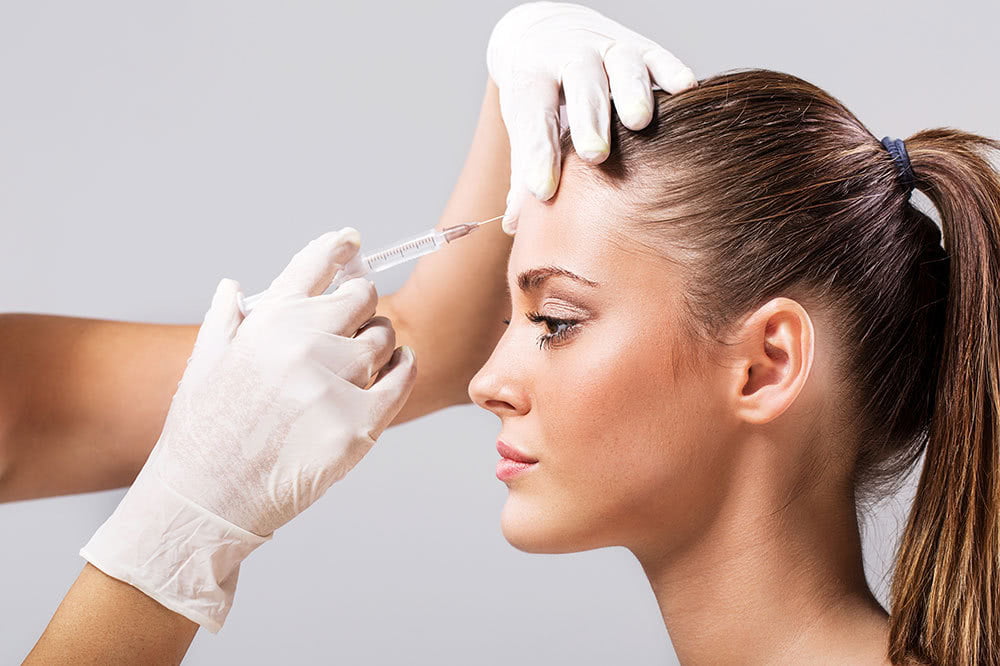
Botox has been the celebrity secret to wrinkle-free skin for over 20 years now. At our Rancho Cucamonga medspas, we use Botox and Dysport to soften or erase forehead lines and crow’s feet and to achieve a subtle brow lift. These neuromodulators are the gold standard for smoothing expression lines and creating a naturally refreshed look. Pro tip: Plan for your injections about two weeks before your big event for peak results!
2. Microneedling: The Secret to Star-Quality Skin
Ever wonder how celebs keep their skin looking poreless and radiant under HD cameras? The answer is collagen—and microneedling is a game-changer for boosting it. This treatment creates tiny micro-injuries in the skin to trigger your body’s natural healing response to firm, smooth, and brighten your complexion. Microneedling is excellent at improving most common skin concerns, including fine lines, acne scars, and uneven texture, while keeping your skin naturally plump and pretty.
“I have been very satisfied with the results of procedures I have had at Inland Cosmetic Surgery and Ahava Spa. The staff is well educated, professional and friendly. I would highly recommend the Diamond facial! I’ve also gotten filler, Botox and PRP in my scalp. I look forward to the monthly specials and will continue to use ICS as my go to beauty source!”
3. The Red Carpet Facial: Because Your Skin Deserves VIP Treatment
For those who want to glow like you’re at a movie premiere, our exclusive Red Carpet Facial is the ultimate no-downtime skin refresher. This luxurious treatment combines Cutera laser treatments to stimulate collagen and improve skin tone with DiamondGlow facials to deeply exfoliate, extract, and hydrate your skin. You’ll see a noticeable improvement in redness, fine lines, and breakouts. If you’re going to get one treatment before a big event, make it this one.
Psst: We offer monthly specials on our top skincare treatments like the Red Carpet Facial! Follow us on Instagram to see which treatments you can save on this month!
4. Ultherapy: The Non-Surgical Lift Celebs Swear By
A toned, tightened appearance will never go out of style. Ultherapy is FDA-cleared and uses targeted ultrasound energy to lift and tighten the face, jawline, and neck—no needles or downtime. Ultherapy jumpstarts collagen production deep within your skin, so results develop gradually and naturally – so you can keep the gossip mill guessing on how you’re aging in reverse. We recommend Ultherapy for anyone looking to firm up their features before a special event (or just life in general!).
5. Ultrasonic Facial: A Facial That Works Overtime
If your go-to facial isn’t delivering noticeable results, it’s time to upgrade. Our fan-favorite Ultrasonic Facial uses low-frequency ultrasonic vibration to gently exfoliate, improve circulation, and enhance collagen production. This facial gives your skin an instant glow-up and helps your skincare products absorb better, so you get the most out of your beauty routine—your skin will thank you!
6. Chemical Peels: Bye-Bye Dull Skin, Hello Glow
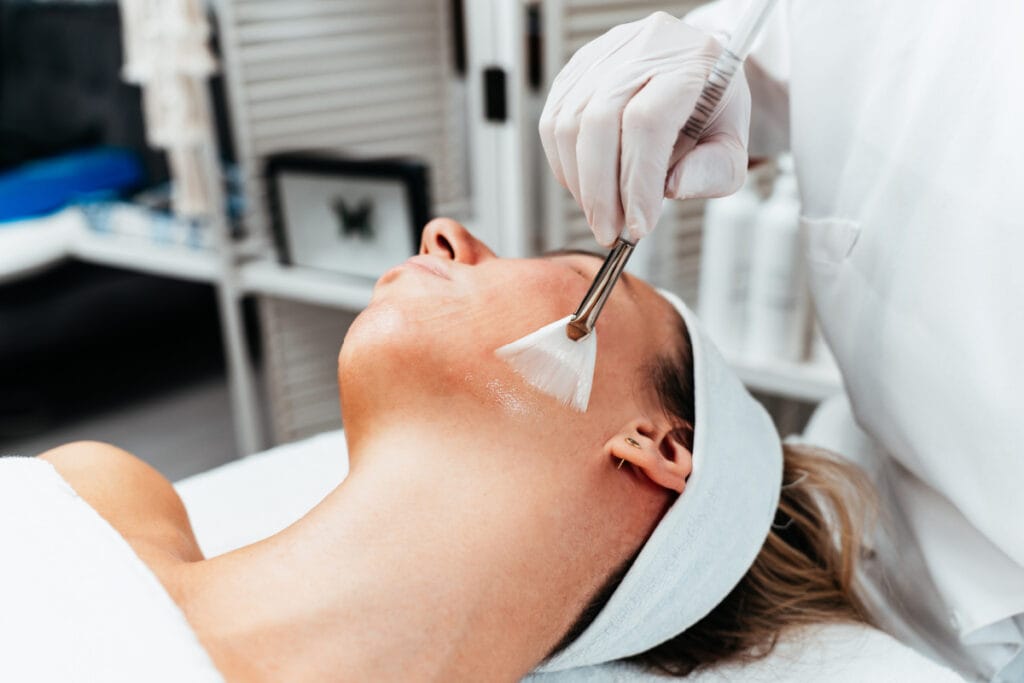
Celebs know that a customized chemical peel is the ultimate one-step treatment to renew and refresh the skin’s appearance—and now so do you! These peels use a blend of exfoliating acids to remove dead skin cells and reveal a fresher, brighter complexion underneath. We offer a full menu of professional-grade superficial, medium-depth, and deep chemical peels. Our aestheticians tailor the peel to target your skin’s unique concerns (think: signs of aging, dark spots, rough skin texture, pore size). We recommend a series of peels leading up to your event to have the smoothest complexion possible.
7. IV Therapy: Hydration & Glow from the Inside Out
Radiant beauty isn’t just about what you put on your skin—it starts from within. IV Therapy is very trendy in California medspas right now, as it infuses your body with essential vitamins, minerals, and hydration to boost energy, improve skin radiance, and support overall wellness. Our patients love a custom-formulated IV for both a post-party recovery or a pre-event glow-up. IV Therapy is the ultimate insider trick for looking (and feeling) your best.
8. MiXto Fractionated Skin Resurfacing: Advanced Skin Renewal
If you’re serious about skin transformation, lasers are the gold standard. While there are dozens of laser treatments available, our award for best laser treatment goes to MiXto Fractionated Skin Resurfacing. MiXto stands for the “mixture” of the two technologies it combines: CO2 energy and fractional skin resurfacing to dramatically improve skin tone, texture, and elasticity. Our laser technicians customize each MiXto laser treatment to treat both surface-level and deep skin rejuvenation. Fine lines, wrinkles, sun damage, and skin laxity are no match for this duo. A series of 2-3 treatments spaced six weeks apart is best to help you wow at your next soiree.
Not sure which treatment is right for you? Schedule a consultation with our award-winning aesthetics team.
Your VIP Glow Starts Here
We have treatments to help bring out the celebrity glamour in you no matter the occasion. Book your appointment at one of our premium medspa locations, Ahava Medspa or Made You Look today so we can treat you (and your skin) like the star you are!
Several forces are shaping the procedures people choose: Advances in technology, a focus on natural-looking results, and a bigger emphasis on health and wellness. And our Rancho Cucamonga cosmetic surgeons expect that these will heavily influence cosmetic surgery trends in 2026! Here are the top five cosmetic surgeries we predict will dominate the upcoming year.
1. Facial Fat Grafting
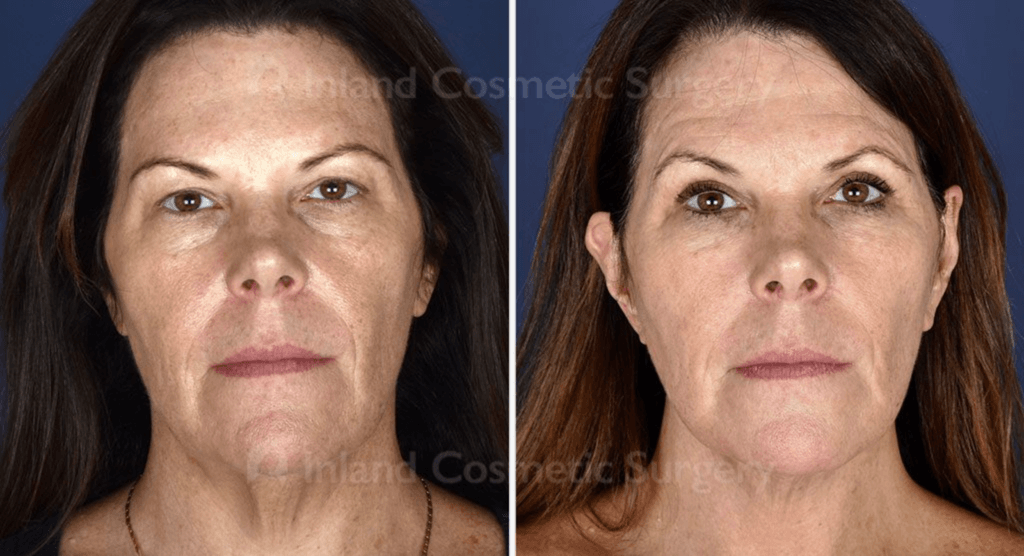
Facial fat grafting is the procedure of choice to add volume without using implants, and it’s longer-lasting than dermal fillers. Fat grafting, or fat transfer procedures, use your body’s own fat (typically taken from areas like the abdomen or thighs) to restore volume to the cheeks, lips, or under-eye hollows.
Why we think it will be popular in 2026: Patients love the beautifully natural, personalized results and appreciate the targeted fat removal from problem areas. As trends favor subtle, organic enhancements, we expect facial fat grafting to continue to soar in popularity.
2. High-Definition Body Contouring
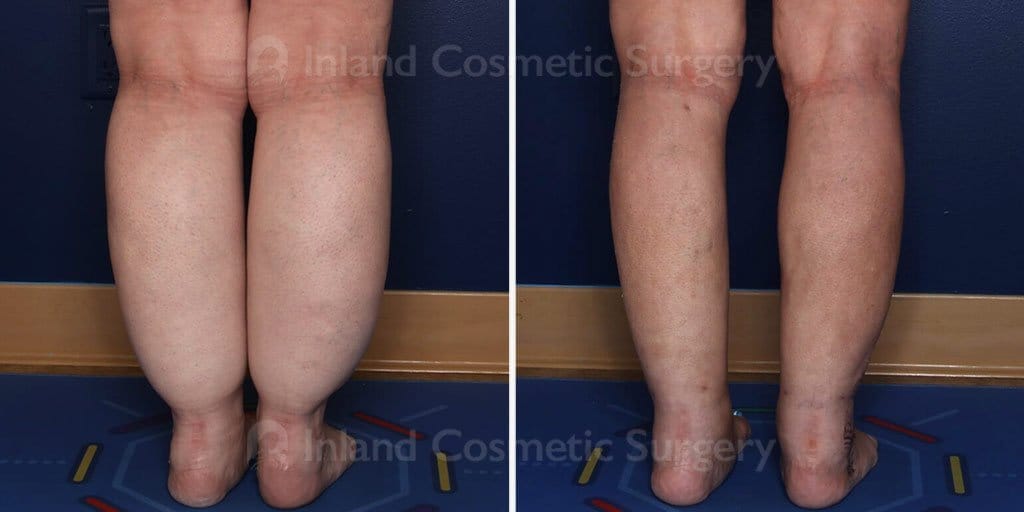
Traditional liposuction, while still highly effective, is evolving into a more precise art form known as high-definition liposuction. This advanced technique sculpts away the optimal amount of fat to create a well-defined, muscular appearance in areas like the abdomen, arms, thighs, and even the calves.
Why we think it will be popular in 2026: With more people focusing on a fit aesthetic, high-definition liposuction provides enhanced body sculpting that may not be possible with diet and exercise alone. We tailor this procedure based on patient preferences—whether they want a chiseled physique or more shapely contours.
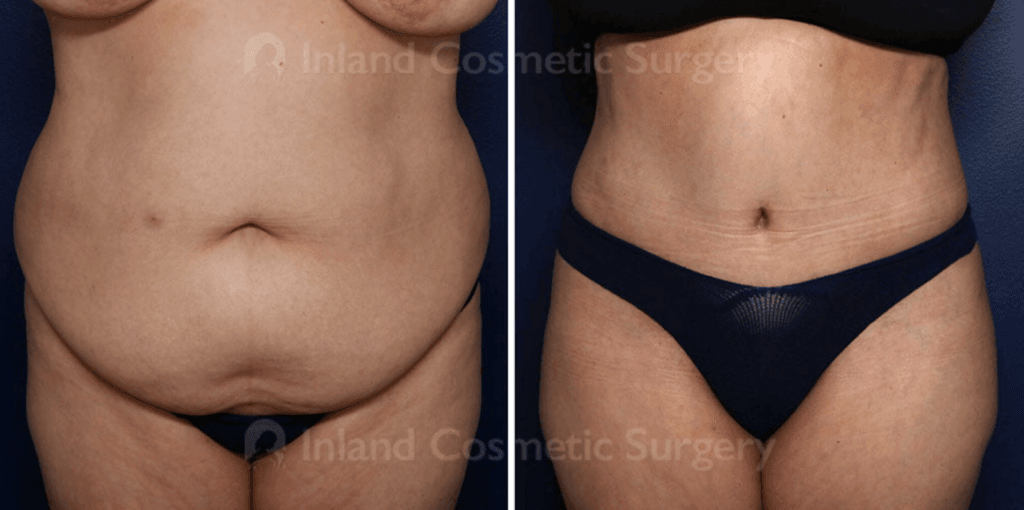
“Wow! Wow to myself and thank you to Dr. Haiavy for making me feel brand new! I’m back to my high school curves. The me that’s been waiting to come out for the longest time! I had my procedure (tummy tuck/liposuction at the waist) done late October, so I’m about 4 months post op now. My recovery has been amazing! Thank you to Dr. Haiavy and his team! My confidence is back in full gear and I’m feeling more sexy than ever!”
3. Semaglutide Weight Loss Injections
Semaglutide is now synonymous with weight loss and is the top-requested treatment for patients who want a non-surgical, sustainable weight loss option. Semaglutide and other types of GLP-1 medications help patients reach their goal weight by reducing appetite and improving metabolic health—something even the most strict diets and rigorous exercises can’t typically address.
Why we think it will be popular in 2026: For the first time, men and women have a sustainable option to safely lose a significant amount of weight without completely overhauling their lives. As more people take note of the transformative effects, many of them will likely turn to medical weight loss injections next year to finally lose the unwanted weight they’ve been holding on to.
4. Skin Tightening Treatments
Non-surgical skin tightening treatments like Ultherapy and Matrix Pro noticeably improve sagging skin without the downtime that comes with a full face and body lift surgery. These treatments use ultrasound (Ultherapy) or Microneedling with radiofrequency (Matrix Pro) technology to stimulate collagen production and tighten the skin to restore a more youthful appearance.
Renuvion is a minimally invasive skin tightening procedure that combines RF energy and cold helium plasma to contract the skin and is often combined with liposuction to prevent loose skin after targeted fat removal. It can be used on various areas of the body such as the abdomen, back, arms and thighs as well as in the neck.
Why we think it will be popular in 2026: Patients are treating signs of aging, such as skin laxity, much earlier than before, and may not require a surgical lifting procedure to firm their skin. Treatments like Ultherapy and Exilis deliver impressive skin-tightening results, which can prevent or delay a surgical procedure later on.
Additionally, with more people successfully losing significant weight through GLP-1 medications, the demand for skin tightening is set to increase, and many weight loss patients are ideal candidates for Ultherapy, Matrix Pro, or Renuvion to complete their body transformation journey.
“I simply cannot say enough about Dr. Ryan. She is so genuine and kind. She wants you to feel your best and look your best. I want to give her a huge hug every time I see her, she is a beautiful person inside and out! She took such great care of me and made me feel heard, seen, and truly cared about. I recommend her 1000xs over!! I will forever return to her with anything in the future.”
5. Mommy Makeovers
Restoring or improving their pre-pregnancy body is a meaningful desire for many women who may be unhappy with the physical changes motherhood can bring. Mommy makeovers are entirely personalized and often include surgical options like tummy tucks, breast augmentation, breast lift (or both!), and liposuction, as well as non-surgical treatments like skin tightening and vaginal rejuvenation.
Why we think they will (continue to be) popular in 2026: The versatility of mommy makeovers allows patients to address multiple concerns with the procedures of their choice in one surgery. The single recovery period and comprehensive body contouring make mommy makeovers ideal for an incredible (and well-deserved) transformation without navigating several different surgeries and their required downtime.
Considering cosmetic surgery in 2026?
If you’re considering one of these procedures or have something else in mind, Dr. Jacob Haiavy and Dr. Emma Ryan at Inland Cosmetic Surgery in Rancho Cucamonga would be happy to guide you through your options. Call us at 909-987-0899 or contact us online to schedule a consultation and learn more!
Areas served:
2026 is shaping up to be a year of refined enhancements. Patients are now prioritizing subtle, sophisticated results that enhance their features without looking overdone. Below, we’re breaking down the top aesthetic trends and treatments on the rise, and the ones that are on their way out (for now).
What’s In: The trends we’re seeing in 2026
+ Baby Botox: Less is more
Botox and Dysport have always been a go-to for smoothing wrinkles, but in 2026, the trend is shifting toward lighter, more natural-looking doses. Baby Botox—smaller units of botulinum toxin strategically placed to soften fine lines while preserving facial movement—is in high demand. Patients love that it offers a refreshed look without the frozen effect and slows deeper wrinkles from forming down the line.
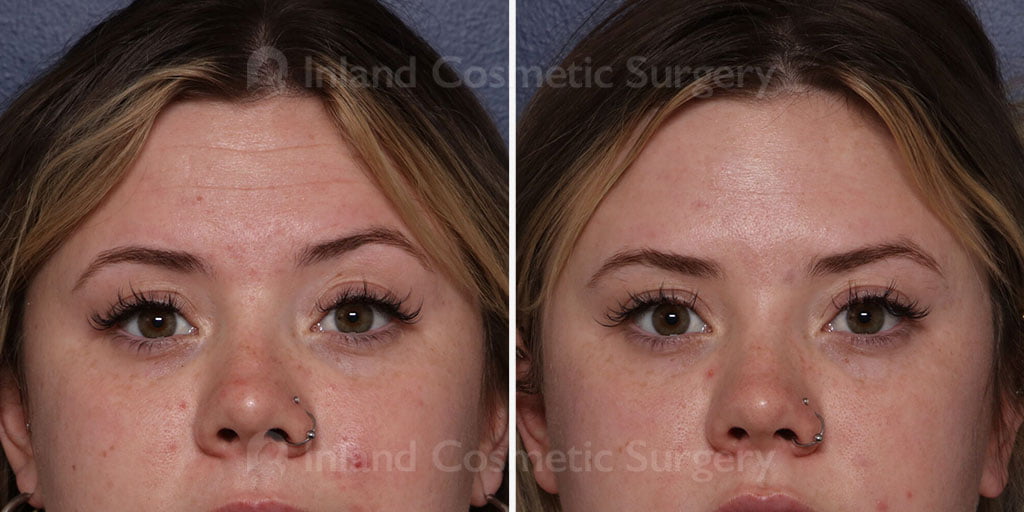
We are also seeing more and more younger patients get preventative Botox in key areas to extend their youthful complexions even longer!
+ Brow Lifts, instead of heavy Botox & fillers
Surgical brow lifts are replacing “injectable brow lifts.” Botox-type injectables along with fillers can temporarily achieve a smoother and lifted forehead area, but more patients are opting for surgical brow lifts for stronger, longer-lasting results. This procedure gently lifts the brows to a more youthful position, reducing heaviness on the upper eyelids, smoothing forehead lines, and giving the face a well-rested, bright-eyed look.
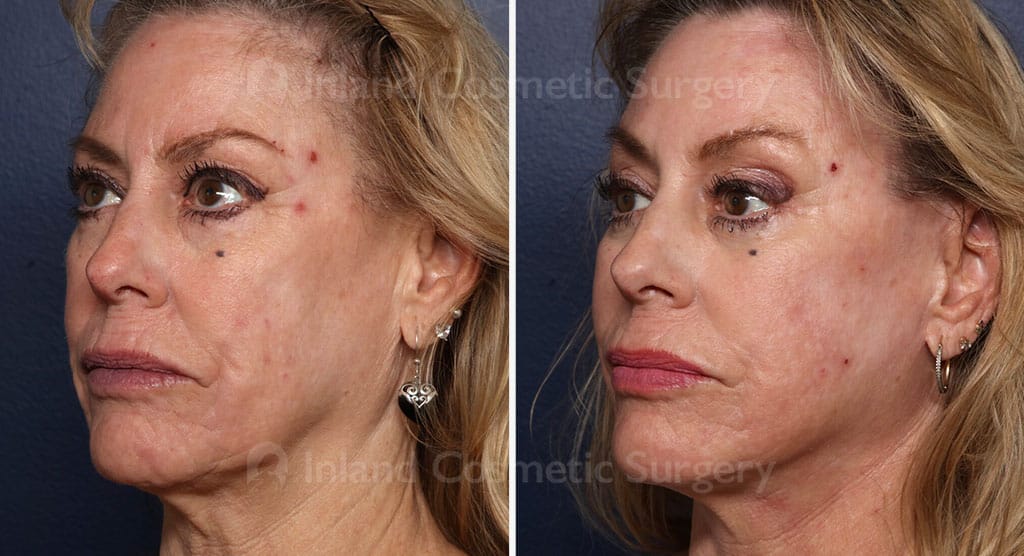
+ Facial fat grafting for a fuller face—because sometimes more is better
The ultra-sculpted, hollow-cheek look is striking on some patients, but many people—especially more mature patients—are gravitating toward plump, yet defined features. Facial fat transfer is ideal for softening key areas for a youthful fullness. This technique uses your own fat (harvested from liposuction in areas like the abdomen or thighs) to restore volume to the cheeks, temples, and under-eyes—creating a youthful, well-balanced appearance that lasts far longer than dermal fillers.
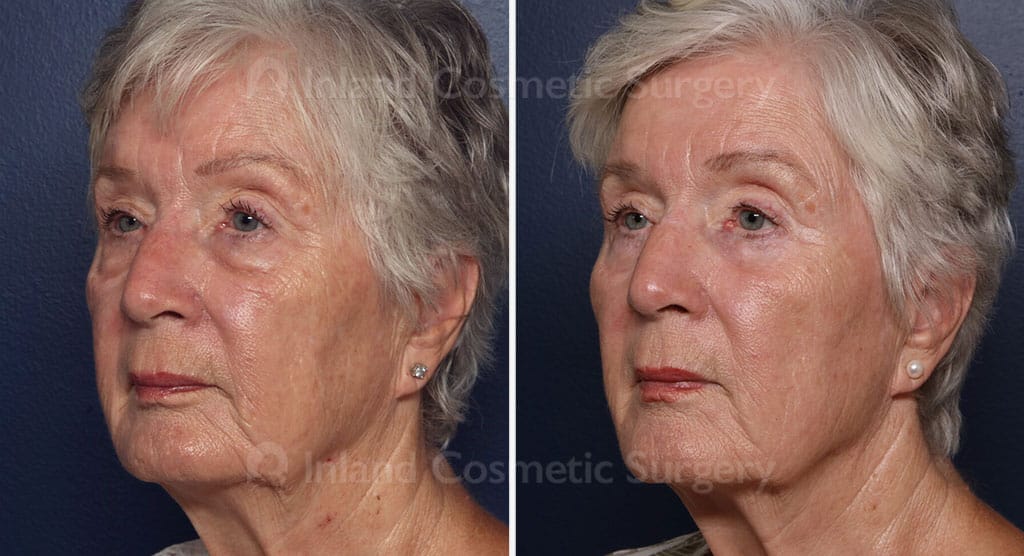
+ Facelifts in your 40s & 50s instead of your 60s & 70s
Most patients aren’t waiting until their 60s or beyond to get a facelift anymore. Many see the value of earlier, more refined facelifts in their 40s and 50s to address signs of aging before they become significant and more complex to correct. Modern facelift techniques like the deep plane facelift provide natural, long-lasting results while preserving your natural character and facial expressiveness. The earlier approach allows for more graceful aging—rather than playing catch-up later.
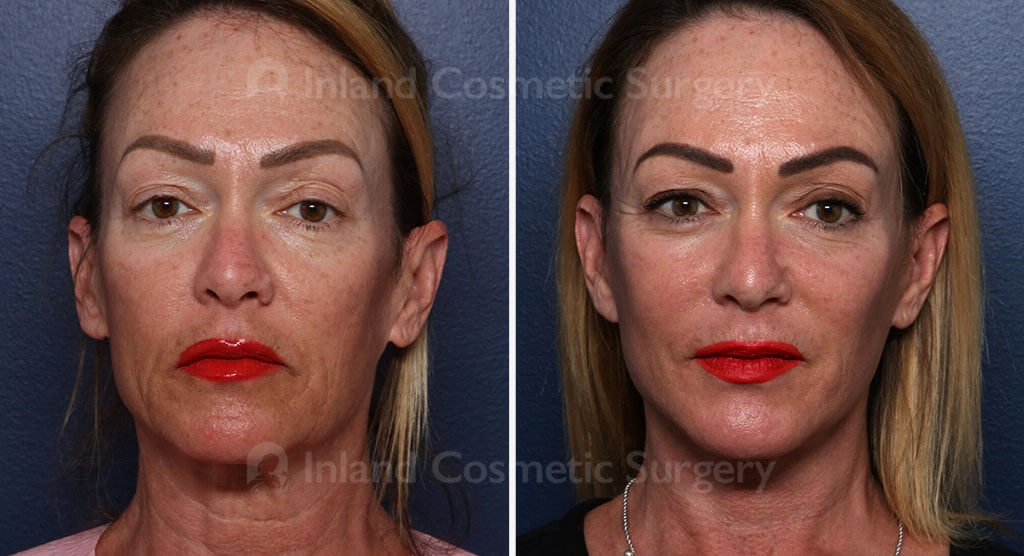
+ The ‘Post GLP-1 Makeover’ to complete your weight loss journey
Semaglutide weight loss injections have been a game-changer for those struggling to lose weight with diet and exercise alone, and now, cosmetic surgery is adapting to its effects. Patients who have lost significant weight with GLP-1 medications are seeking strategic body contouring to refine their results. Instead of exaggerated curves, the focus is on balanced, natural enhancements—think skin tightening, breast lifts, and high-definition liposuction to refine the body’s new shape post-weight loss.
“I cannot thank inland cosmetic surgery enough! I was so nervous to move forward with my procedure, but all the doctors and staff were so reassuring and took time to explain everything to me. I would highly recommend them for any procedure you’re looking for, not to mention I look amazing now! Thank you so much.”
What’s Out: Aesthetic trends we’re seeing less of
– Oversized breast implants—natural proportions take priority
Oversized breast implants have become less and less common each year as “Ballerina Breast Augmentation” or “Mini Breast Augmentation” offers more proportionate, natural-looking results with implants that add just the right amount of shape, volume, and projection. Many patients are choosing moderate-sized implants or even downsizing their existing ones for a shape that better complements their body’s frame.
TUBA (transumbilical breast augmentation) is often ideal for placing modest implants and leaves no scars on the breasts!
– Overfilled lips (we will not miss the duck-lips phase)
Say goodbye to the exaggerated, overfilled lips, and hello to a more balanced, shapely pout with lip filler. Patients now prefer a defined lip shape with natural fullness rather than volume for volume’s sake. Those with previous overfilling are even dissolving excess filler to achieve a softer look that doesn’t distract from their appearance.
“My experience there was absolutely amazing from the friendly staff to amazing surgeons. I am currently 3 weeks post op from the transumbilical breast augmentation and I love my results! I was extremely impressed with my experience here and have already recommended them to several friends. I am so glad I did not go anywhere else & will definitely come back if I want anything else done!”
– Skipping post-op appointments is a thing of the past
Surgical results don’t end when you leave the operating room—post-op care is just as crucial as the procedure itself. We ensure our patients understand the importance of attending follow-up appointments so we can monitor their recovery process and confirm everything is healing as expected. Patient care is a top priority at our Rancho Cucamonga cosmetic surgery practice: our surgeons and team will be with you from consultation to celebrating your results and beyond!
– Using non-surgical treatments as a band-aid for surgical concerns
Injectables and non-invasive treatments are fantastic tools—but they’re not a substitute for surgery when significant lifting, tightening, or fat removal is needed. More patients are choosing surgery earlier rather than relying on temporary fixes like filler stacking or repeated skin-tightening treatments that offer diminishing returns over time. The key? Choosing a top cosmetic surgeon to recommend the right procedure for the right concern rather than taking the least-invasive route every time.
– Drugstore skincare: As we said in 2019, Thank u, next!
Medical-grade skincare is the new standard for anyone serious about the health and appearance of their skin or maintaining their cosmetic procedure results. While drugstore products may provide basic hydration, they lack the clinically proven ingredients and formulations that medical-grade skincare offers. Patients who invest in customized skincare regimens see stronger results and have more resilient skin.
Ready to Elevate Your Look?Our expert cosmetic surgeons Dr. Jacob Haiavy and Dr. Emma Ryan and with the teams at Ahava Medspa and Made You Look specialize in natural, sophisticated results that help you look and feel your best—without the extremes. Call us today at 909-987-0899 or contact us online to schedule your consultation.
Dr. Jacob Haiavy and Dr. Emma Ryan are passionate about cosmetic surgery. As diplomates of the American Board of Cosmetic Surgery, they have the expertise to personalize every aspect of your procedure and deliver safe, beautifully natural results.
Gone are the days when fashionable women hoped to make their butts look as small as possible—while many of us remember this fad, it was a historical anomaly. It’s long been thought that having some substance to your backside is a good thing! A full, round buttocks represents a strong, healthy body, looks great in jeans, and contributes to a more shapely, feminine silhouette.
While naturally curvier women rejoice, getting a shapely derriere is easier said than done for those not blessed with the greatest “assets.” This has led many women (and men too!) to try countless workouts, diets and other gimmicks in the quest for a bigger booty. Some of them work, some of them do nothing, and some are just a bad idea—and knowing which is which can be confusing.
Lucky for us, we have some of the most skilled body contouring experts on the west coast right here at Surgical Arts of the Inland Empire. Dr. Jacob Haiavy and Dr. Emma Ryan are highly experienced in buttock enhancement and have helped patients with even the flattest of rear ends get curves they love. So we asked them, how can you get a fuller butt? Here’s what they have to say.
Dr. Ryan: exercises can make your butt bigger, but…
“I can appreciate and even recommend implementing a strength training routine to build up the glutes—done correctly and consistently, exercises that focus on the butt can help your rear end get tighter, look better, and maybe get bigger. However, genetics will put a cap on just how much muscle you can add to your butt, and no amount of exercise can dramatically reshape your current curves—only surgical body contouring can do that.
That said, there are other benefits to having a strong butt that make it worthwhile to hit the gym: improved sports performance, better posture, and a reduced risk for back injury. For maximum results, hire a qualified personal trainer, who can show you how to do the right exercises safely and effectively.”
Dr. Haiavy: Forget about butt enhancement pills and creams.
“There seems to be a pill for everything, even for “magically” growing a butt. As a physician, these products make me cringe. Most are mixtures of herbs, oils, and other ingredients that do little except drain the consumer’s wallet.
For those that do have any effect, that effect is usually temporary—for instance, creams that help the skin feel a bit firmer for a little while may give the impression that the butt has gotten a “boost.” Some butt enhancement pills contain appetite stimulants, which could possibly help you gain volume in your butt—but you’ll gain weight elsewhere, too.
It’s also important to remember that these products are not FDA approved and may not contain what is printed on the label in any consistent amount. This leaves the door open for products to do harm. For instance, one such pill contains Dong Quai extract, which contains known carcinogens and could be unsafe in large quantities.
For safe, effective buttock enhancement, go to an experienced cosmetic surgeon, not Amazon.”
There are several procedures that fall under the umbrella of body contouring surgery that we can use to reshape the lower body and enhance the butt:
- Vaser 4D Hi-Def Liposuction. Sometimes a rounder, more aesthetically pleasing butt is best achieved by simply taking fat away from the surrounding areas. With VASER 4D liposuction, we can remove excess fat from the lower back, hips, and thighs with extreme precision to sculpt a beautiful “frame” for the buttocks, which will accentuate your natural curves.
- Brazilian butt lift surgery. This popular and highly effective procedure takes VASER lipo one step further. We purify fat removed with liposuction, and then strategically inject some of it back into the buttocks in specific points to enhance their size and shape. This procedure works best on patients with good skin contraction who also have enough excess fat to harvest for the fat injections (which is most of us).
- Lower body lift. If you have undergone significant weight loss and your butt is flat and sagging as a result, a personalized body lifting procedure can be a great option to remove the excess skin, lift sagging tissues, and restore a smoother, firmer buttock contour. In many cases, a skilled cosmetic surgeon can combine liposuction and/or fat injections with a lower body lift to achieve an optimal improvement in shape.”
What to Expect During Brazilian Butt Lift Recovery
While every patient heals at their own pace, here’s a general timeline for what most of our patients experience:
The first 2-3 weeks require the most significant lifestyle adjustments. You’ll need to avoid sitting directly on your buttocks to protect the newly transferred fat cells and maximize results. Most patients use special BBL pillows that transfer weight to the thighs when sitting becomes absolutely necessary. Sleeping on your stomach or sides during this period is essential. You’ll also wear a compression garment around the clock to reduce swelling in the liposuction areas and support optimal healing.
By weeks 3-4, you’ll notice dramatic improvements in comfort and mobility. Many patients return to modified desk work during this period, and sitting tolerance gradually increases. Light walking is encouraged from day one and helps promote healthy circulation.
Most patients can resume normal daily activities and light exercise by 6-8 weeks post-surgery. However, your final results won’t be visible until 3-6 months after your procedure, once swelling has completely resolved and the transferred fat cells have fully integrated. This “fluffing phase” often brings pleasant surprises as your contours continue to improve and soften naturally.
During your consultation at Inland Cosmetic Surgery, we’ll provide detailed, personalized recovery instructions tailored to your specific procedure and lifestyle needs.
How Long Do Brazilian Butt Lift Results Last?
Unlike temporary fillers that require repeat treatments, the fat cells that survive the transfer process become a permanent part of your body.
Typically, 60-80% of the transferred fat remains for life. These fat cells behave just like the fat cells in their original location; they’ll naturally fluctuate slightly with weight changes but maintain their new shape and position. Most patients enjoy their BBL results for decades with proper care.
Maintaining your results is straightforward: keep your weight stable within 10-15 pounds of your post-surgical weight, maintain a healthy lifestyle with regular exercise, and avoid smoking, which can compromise circulation and healing. The transferred fat cells that survive past the first 3-6 months are considered permanent and will age naturally with your body.
At Inland Cosmetic Surgery, Dr. Haiavy and Dr. Ryan use advanced fat transfer techniques that maximize fat survival and long-term retention, ensuring you get beautiful, lasting results from your Brazilian butt lift investment.
We’re your Inland Empire Brazilian Butt Lift specialists
Now that you’ve heard what our cosmetic surgeons have to say about building a better booty, why not come meet one of them in person to discuss how you can best build yours? During a personal consultation at our offices in Rancho Cucamonga or Victorville, we will give you our full attention. Our doctors look forward to discussing your concerns and goals and helping you learn about all your options to get a beautiful, curvy butt. Call 909-987-0899 or contact us online today.
Semaglutide has proven to be an effective solution for those struggling with weight management, and we are pleased to offer this advanced weight loss treatment overseen by our team of Rancho Cucamonga cosmetic surgeons at Ahava Medspa and Made You Look. Below, we share the skinny on this game-changer for medical weight loss and answer FAQs about semaglutide weight loss injections.
What is semaglutide, and how does it work?
Semaglutide was initially developed to manage diabetes, with patients and physicians alike noting its weight loss effects since 2005. This medication is now FDA-approved for weight management and works by mimicking a hormone called GLP-1, which regulates appetite and food intake.
Essentially, you’ll feel fuller for longer and with fewer calories when taking semaglutide. The lower calorie intake leads to weight loss and helps you become more aware of your eating habits as your body gently adjusts to healthier portions.
Patients who continue mindful eating habits after taking semaglutide can enjoy long-term weight management success.
How effective is semaglutide for weight loss?
A 68-week clinical study on the effectiveness of semaglutide showed impressive weight loss outcomes:
- Half of the participants lost 15% of their body weight
- About one-third of participants lost 20% of their body weight
- The average total body weight loss was 14.6%
What is the recommended dosage of semaglutide?
The starting dose of semaglutide is typically 0.25 mg once a week for the first four weeks, followed by incremental increases to reach 2.4 mg; however, the dosage may vary based on patient needs. Gradually increasing the dosage to an optimal level balances effectiveness while minimizing potential side effects as your body adjusts to the medication.
Is semaglutide the same as insulin?
No, semaglutide stimulates healthy insulin production, whereas insulin replaces the body’s insufficient insulin. Both regulate blood sugar levels.
How long should I take semaglutide?
The duration of your semaglutide treatments depends on your weight loss goals, how well your body tolerates the medication, and medical guidance. Many patients achieve their health and wellness goals in as little as 3 months, while others need more time to see the desired changes. Studies have shown that patients can safely take semaglutide for two years or longer.
During your consultation, we will estimate your treatment time and evaluate that timeline as we track your results.
What happens when I stop taking semaglutide?
When you stop taking semaglutide, you’ll gradually notice your natural appetite returning as the medication leaves your system over about 5 weeks. This is why the habits you build during treatment are so important for long-term success.
Clinical studies show that patients who discontinue semaglutide without maintaining healthy lifestyle habits typically regain a significant portion of their weight loss. However, those who continue the mindful eating patterns, regular exercise, and nutrition habits they developed during treatment can maintain much of their progress.
We don’t recommend stopping semaglutide abruptly. If you’re considering discontinuing treatment, we’ll work with you to create a tapering plan and transition strategy. This might include gradually reducing your dose while strengthening your nutrition and exercise routines, ensuring you’re set up for long-term success even after stopping the medication. Many patients also choose to continue maintenance doses long-term to sustain their results.
What are the side effects of semaglutide?
Semaglutide is generally well-tolerated, with the most common side effects including nausea, vomiting, diarrhea, abdominal pain, constipation, heartburn, and burping. These effects are typically mild and resolve as your body becomes accustomed to the medication. Other adverse side effects can occur, so it is imperative to choose a highly qualified provider who can determine if semaglutide is safe for you and personalize your dosage for a more comfortable treatment experience.
How is semaglutide administered?
Our patients receive their first semaglutide injection in our office, and the remaining once-a-week injections can be self-administered at home. We will confirm that you feel confident with the quick self-injections at your visit. We recommend alternating injection sites between your abdomen, thighs, and upper arms to prevent tenderness.
Who is eligible for semaglutide?
You are likely a good candidate for weight loss injections if you are a relatively healthy adult with a BMI of 27 or greater. We would be happy to meet with you to evaluate your needs and determine if you would benefit from our medical weight loss program.
How much does semaglutide cost?
The cost of semaglutide varies based on whether you’re using brand-name medications or compounded versions, which are typically more affordable. Brand-name semaglutide can cost $1,200-$1,500 per month without insurance coverage.
Insurance coverage for semaglutide varies significantly by plan. Some insurance companies cover semaglutide for diabetes management but not for weight loss, while others may require prior authorization or proof of medical necessity. During your consultation at Ahava Medspa or Made You Look, we’ll discuss pricing options and help you navigate insurance coverage to make your treatment as affordable as possible.
Can you exercise while taking semaglutide?
Absolutely! Exercise enhances semaglutide’s effectiveness and further improves other weight-related health markers such as blood pressure. Further, maintaining a more active lifestyle will help you keep the weight off after you stop taking semaglutide.
- Aerobic activities like brisk walking, bike riding, and swimming are excellent ways to get moving, especially if you haven’t yet found a workout routine you love.
- Strength training exercises such as lifting weights or using resistance bands help build and preserve muscle, which plays a significant role in metabolism and weight control.
We recommend a balanced exercise regimen tailored to your fitness level and health status—start your exercise regimen gently and progressively increase the intensity and time spent exercising.
Why is a managed protocol needed for semaglutide?
Like any prescribed medication, it’s essential that you work closely with your provider to ensure your body is responding as expected and your results are ideal. Choosing a reputable provider promotes safety, effectiveness, and individualized treatment based on your health profile and goals.
How quickly will I lose weight on semaglutide?
Most patients experience notable weight loss between 8-12 weeks after consistent semaglutide injections, with some noticing weight loss in as few as 4 weeks.
Some patients notice weight changes soon after starting the medication, while others may see slower progress.
Can I use semaglutide to lose a small amount of weight?
No, semaglutide is a long-acting medication designed to be used over several months, so it is best suited for significant weight loss needs.
If you are looking for a solution to treat localized pockets of fat, such as “love handles,” “saddle bags,” or a “double chin,” liposuction is highly effective at removing stubborn fat in targeted areas. Learn how it works »
Do I have to diet and exercise while taking semaglutide?
While massive lifestyle changes aren’t necessarily required, choosing more whole, nutrient-dense foods and physical activity are highly encouraged to see more significant weight loss and improve your overall health.
Combining semaglutide with a healthy diet and exercise maximizes results.
What foods should I avoid while on semaglutide?
To experience faster, greater weight loss with semaglutide, we recommend limiting sugar, processed foods, and fried or fatty foods. Fruits such as mangoes, bananas, and pineapple are high-glycemic (carbohydrates that are quickly digested and cause insulin spikes) and should be limited as well. The same goes for corn and potatoes!
It’s also wise to avoid alcohol and cut back on excessive caffeine, as these substances can affect your blood sugar and irritate the stomach.
What foods should I include in my nutrition plan?
Lean proteins like skinless chicken breast, white fish, lean cuts of meat, or plant-based proteins are great options, along with complex carbs like whole wheat, quinoa, and brown rice. Low-glycemic fruits and veggies such as berries, grapefruit, leafy greens, and lentils are also good choices. Whole foods can also help lessen the intensity and duration of temporary side effects of semaglutide!
Semaglutide weight loss injections in Rancho CucamongaIf you are interested in medical weight loss with semaglutide, we invite you to schedule a consultation at one of our physician-led medical spas. Under the expertise of Dr. Jacob Haiavy, we are committed to providing personalized, safe, and effective treatments. Please call Ahava Medspa, located within Inland Cosmetic Surgery, at (909) 987-0899 or call Made You Look at (909) 204-7374 to learn more about semaglutide and if you can benefit from weight loss injections.

A Brazilian model with the largest breasts in the world is experiencing complications following her latest breast surgery, according to Fox News in Houston.
Sheyla Hershey suffered her first complication after more than 30 plastic surgeries, when a severe staph infection reached both of her breasts following her recent breast augmentation procedure in Brazil. In 2009, she was a 38KKK and received the Brazilian equivalent of the Guinness Book of World Records award for her chest size.
Hershey, who lives in Houston, said her surgeon told her she should be concerned for her life because the infection could leak into her bloodstream. She has had to give herself infusions of intravenous antibiotics every twelve hours to fight the infection.
To avoid complications, Dr. Michael Will, a cosmetic surgeon near Washington D.C. and president of the American Board of Cosmetic Surgery, says that breast augmentation procedures should be preceded by a comprehensive consultation between the cosmetic surgeon and the patient, where the patient’s concerns and expectations are discussed in relation to the patient’s breast and chest wall anatomy.
“An effective evaluation and treatment plan should result in a post-operative outcome that reaches a balance between the patient’s expectations and the surgeon’s surgical and anatomical limitations to yield an esthetic and healthy outcome. When the surgical tissue tension and stress exceed the capacity for normal healing, wound breakdown and infection often develop,” he says.
However, according to Dr. Will, infections related to breast augmentation are rare; when the are encountered, “the implants frequently need to be removed and replaced at a later date.”
Recent 2024-2025 research confirms Dr. Will’s assessment, with infection rates averaging between 1-4% in primary breast augmentation when modern sterile techniques and appropriate antibiotics are used. These rates are significantly lower than those seen in revision surgeries or procedures performed in non-accredited facilities.
According to her website www.sheylahershey.net, an update on July 24 says that Hershey is “doing fine although she is still getting treatment.”
2024-2025 Safety Update: How Breast Augmentation Has Evolved
Since this 2010 case, breast augmentation safety has improved significantly. According to recent 2024-2025 meta-analyses, infection rates in modern breast augmentation now occur in approximately 1-4% of procedures when proper protocols are followed. The FDA implemented comprehensive safety updates in 2024, including mandatory patient decision checklists and enhanced warnings about rare complications like breast implant-associated anaplastic large cell lymphoma (BIA-ALCL).
Modern surgical techniques emphasize proper patient evaluation, sterile protocols, and realistic sizing to minimize complications like those experienced by Sheyla Hershey. Today’s surgeons use advanced screening to identify patients at high risk for complications, including those with autoimmune conditions or healing concerns. While no surgery is without risk, the combination of improved implant materials, refined surgical techniques, and comprehensive pre-operative assessments has made breast augmentation one of the most performed and safest cosmetic procedures when conducted by board-certified plastic surgeons in accredited facilities.
At Inland Cosmetic Surgery, patient safety remains our highest priority, with comprehensive consultations designed to assess candidacy, discuss realistic expectations, and create individualized surgical plans that prioritize both aesthetic goals and long-term health.