Weight Loss Surgery in Rancho Cucamonga
- Gastric Sleeve
- Gastric Bypass
- Adjustable Gastric Banding (Lap-Band & Realize)
- Post-Bariatric Body Lift
Gastric Sleeve
In terms of expected weight loss, the gastric sleeve procedure is comparable to gastric bypass. However, with the gastric sleeve, some of the possible complications of gastric bypass may be avoided. With the aid of a laparoscope, the doctor removes a portion of the stomach so that it takes the form of a sleeve. For the patient, the operation brings satiety from hunger quicker and gradually leads to significant weight loss. On average, patients lose 60 to 70% percent of their excess weight within one year after surgery. Keep reading about gastric sleeve surgery »
Gastric Bypass
Gastric bypass makes up more than half of all bariatric surgeries performed in the U.S. This weight loss operation restricts your food intake and the amount of food your body absorbs. By dividing the stomach to create a small pouch and connecting it to a loop of the small intestine, the gastric bypass significantly reduces the size of your stomach. Patients should expect rapid weight loss after gastric bypass, so it is best to be prepared for the physical and psychological changes. On average, patients lose 60 to 80% percent of their excess weight within one year after surgery. Keep reading about gastric bypass »
Adjustable Gastric Banding (LAP Band & Realize)
For many people suffering from obesity, the LAP Band procedure (also called gastric band surgery) can be an effective method for significant weight loss, even when traditional methods of weight loss have failed. Surgeons often prefer the LAP Band because it is adjustable, reversible, and allows for a less invasive operation. Patients enjoy the LAP Band because it can be continuously customized to meet their individual goals and dietary patterns. Learn more about the LAP Band »
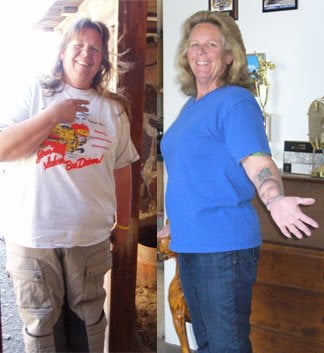
Like the LAP Band, the Realize band is also a laparoscopic procedure. An adjustable tube is placed on the upper portion of your stomach and periodically adjusted through a small port on your side. The Realize band causes you to feel satisfied with smaller amounts of food, achieving gradual weight loss and improving your health and quality of life. It takes about 2 years to see the final results of weight loss with the Realize band. Learn more about the Realize Band »
Post-Bariatric Body Lift
After bariatric surgery, most patients need to take a few extra steps in order to look their best and feel comfortable about their new body shape. Excess skin is a typical problem after massive weight loss. A body lift is designed to tighten and remove excess skin from the lower body. Your cosmetic surgeon makes incisions that follow your body’s natural contours, removing and lifting excess skin as necessary. Related procedures for bariatric surgery patients may include a tummy tuck, arm lift, and/or breast lift. Keep reading about post-weight loss body contouring »
Interested in bariatric surgery? We can help you make the right choice.
If your body mass index is 40 or greater and you have failed to lose weight with traditional methods, one of these weight loss procedures may be right for you. Our bariatric surgeons are among the most experienced weight loss surgeons in California, having performed over 7,000 weight loss surgeries.
Choosing bariatric surgery is a big step toward changing your health and lifestyle. All patients should make an informed choice and take plenty of time to consider their available options. To discuss any of these procedures in detail, contact us today to schedule a consultation. Surgical Arts of the Inland Empire is conveniently located in Rancho Cucamonga, also near Ontario, Upland, Fontana, Montclair, Claremont, and Riverside, California.